Why Childhood Trauma Memoirs Stay With Us
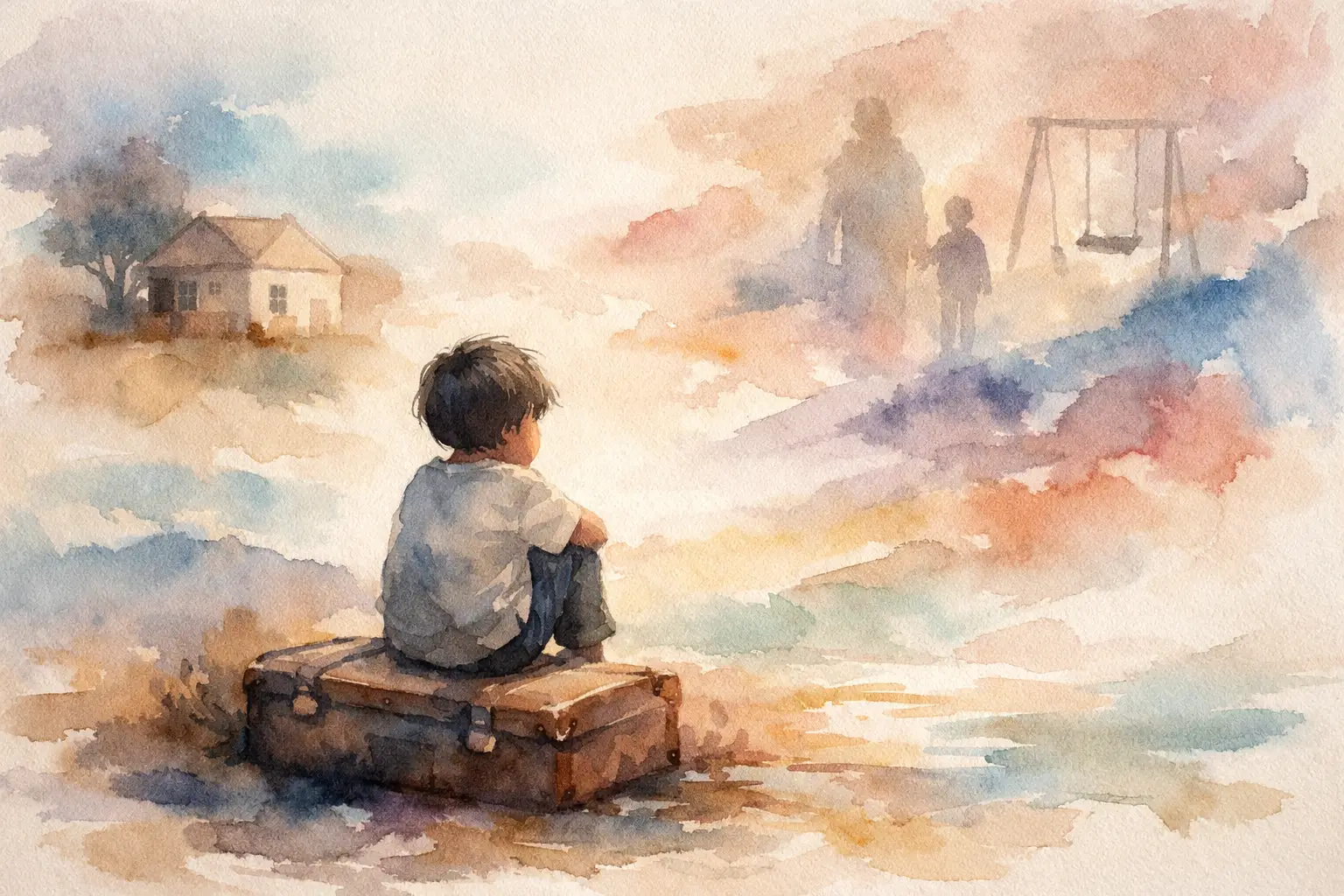
A child waiting for a parent who does not return carries a question no child should have to ask: Was I worth coming back for? Childhood trauma memoirs bring readers close to that question, not for shock or sorrow alone, but because the truth deserves a witness. In the pages of a survivor’s life, abandonment, fear, loneliness, and the will to keep going become more than private wounds. They become a human story that can make another person feel less alone.
These books are often difficult to read. They should be. A life shaped by neglect, family violence, foster care, orphanage life, or profound loss cannot be made tidy for the reader’s comfort. Yet the most meaningful memoirs do not leave us trapped in the pain. They show what it costs to survive, what it means to grow, and how hope can remain alive even when it begins as the smallest flicker.
Why childhood trauma memoirs matter
A memoir of childhood trauma asks readers to look at experiences that are too often hidden behind closed doors. Children rarely have the language, safety, or power to explain what is happening to them. Years later, when a survivor tells the story in their own words, silence is broken.
That act of telling matters. It restores dignity to a younger self who may have been ignored, disbelieved, or left without protection. It also gives readers a chance to understand that trauma is not always one dramatic event. Sometimes it is the ache of being unwanted. Sometimes it is a home that never felt safe. Sometimes it is being passed from place to place, learning too early not to expect anyone to stay.
For readers who have lived through similar experiences, recognition can be powerful. A sentence, a memory, or a feeling named on the page may reach the part of them that has long believed, “No one could understand this.” A memoir cannot erase the past, but it can challenge the isolation that trauma so often creates.
For readers whose childhoods were different, these stories offer something equally necessary: empathy. They reveal that a child’s behavior, choices, or struggles may carry a history that cannot be seen from the outside. They remind us to be gentler with one another because we do not always know what someone had to survive before they learned how to stand.
The difference between pain and purpose
The strongest trauma memoirs do not turn suffering into a simple lesson. Real healing is rarely simple. A survivor may carry grief while building a meaningful life. They may forgive some things and still mourn what was lost. They may become strong not because trauma was a gift, but because they had to find strength to endure it.
That distinction is important. There is no obligation to be grateful for harm. There is no required ending where every relationship is repaired and every wound disappears. What readers often find most moving is honesty: the acknowledgment that recovery can be uneven, and that a person can move forward without pretending the past did not matter.
Purpose grows differently for every survivor. For one person, it may mean raising children with tenderness. For another, it may mean speaking openly after a lifetime of silence. It may mean pursuing faith, education, meaningful work, or simply learning to believe that they deserve peace. In each case, the transformation is not a denial of pain. It is a refusal to let pain have the final word.
What makes a trauma memoir emotionally true
Readers can feel the difference between a story that is merely dramatic and one that is deeply truthful. Emotional truth lives in the details: the sound of a door closing, a child’s careful hope when an adult makes a promise, the strange loneliness of watching other families do ordinary things together.
It also lives in complexity. The people who hurt us may not be easily understood. Family histories can hold love, betrayal, mental illness, poverty, addiction, secrecy, and generational wounds all at once. A powerful memoir does not excuse harm, but it does not flatten human beings into simple villains either. It allows the reader to sit with difficult truths.
The voice matters, too. When a survivor writes with honesty rather than performance, the reader feels invited into a sacred space. There is courage in saying, “This happened to me.” There is even greater courage in saying, “This is how it changed me, and this is how I kept living.”
That is why memoirs centered on orphanhood, abandonment, and family trauma can be so unforgettable. They place us beside the child who had no control over the circumstances around them, then let us witness the adult who slowly learns to reclaim a life.
Reading with care when the story feels personal
A book about childhood trauma can stir memories readers did not expect to encounter. A scene may feel painfully familiar. A parent’s words may echo something heard long ago. Even readers without a direct connection to the story may feel emotionally overwhelmed by the vulnerability on the page.
There is no prize for pushing through when a book becomes too heavy. It is okay to pause, set it down, or return when you feel steadier. Reading slowly can be an act of care. So can talking with a trusted friend, journaling about what surfaced, or seeking support from a qualified counselor when old wounds feel close to the surface.
Book clubs can make these memoirs especially meaningful, but they require gentleness. The best conversations do not pressure anyone to share personal history. They leave room for silence and avoid treating another person’s trauma as a debate topic. A compassionate question such as, “What stayed with you?” can open more understanding than asking someone to explain or defend their response.
Hope is not a perfect ending
Readers often turn to inspirational memoirs because they want hope. That hope is real, but it should not be confused with a polished ending. Hope may look like a survivor choosing not to repeat what was done to them. It may look like a long-delayed reunion, a hard-won boundary, a prayer offered after years of anger, or the quiet decision to keep going another day.
In Scarlet’s Journey, the emotional power of a survivor’s story rests in that choice to move forward. A childhood marked by abandonment and institutional life does not have to define the entire future. The past leaves its imprint, certainly, but resilience can become a force of its own.
This is what makes childhood trauma memoirs more than stories of devastation. They are testimonies of endurance. They honor the child who survived circumstances they never deserved, while recognizing the adult who continues the difficult work of becoming whole.
Perhaps that is why these books stay with us long after the last page. They ask us to remember the children still waiting to be seen. They invite us to believe that even after a beginning filled with loss, a life can still hold love, meaning, and a future worth claiming.
