An Orphanage Life Memoir That Refuses to Be Silent
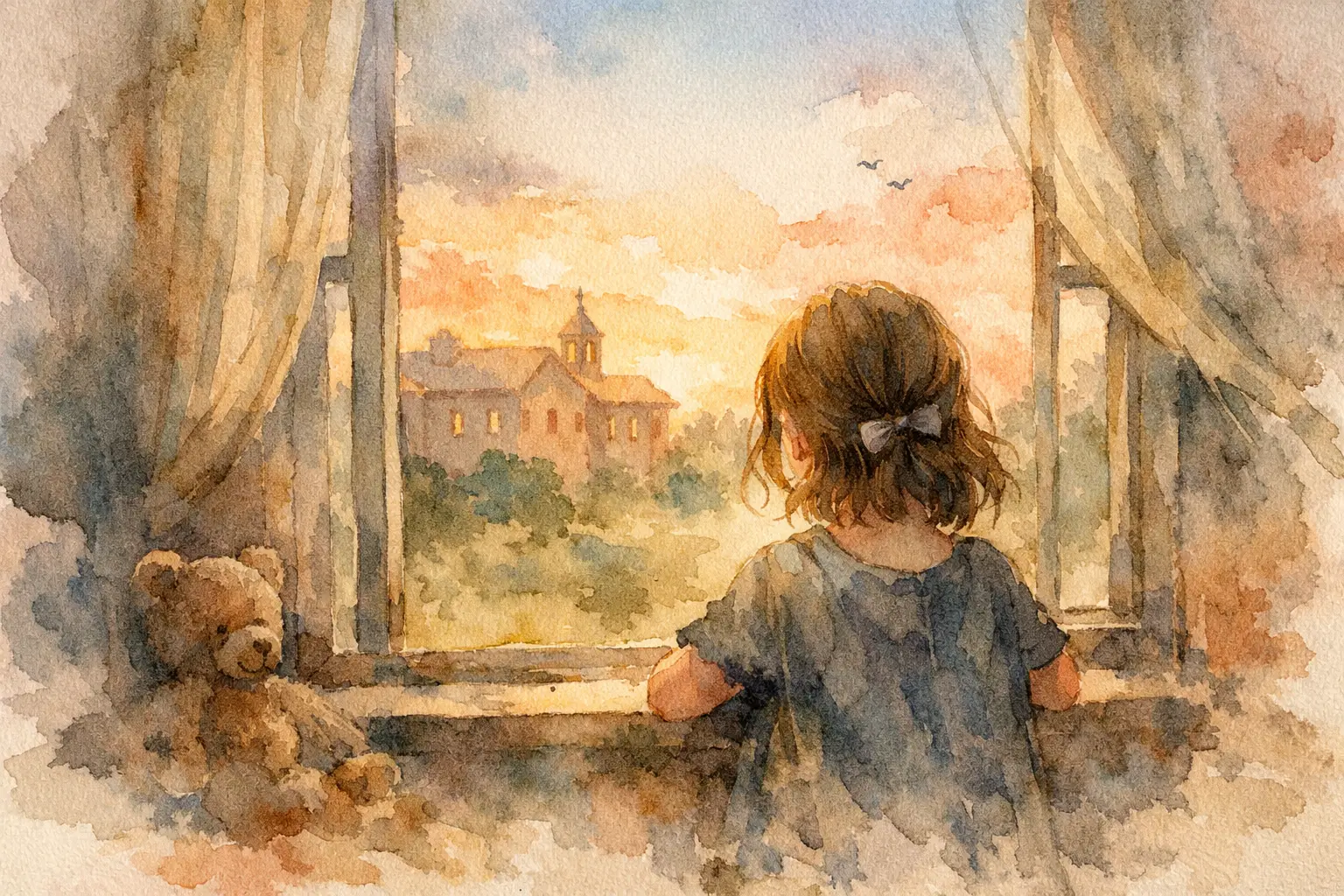
A child does not measure abandonment in abstract terms. She measures it in the empty space where a familiar voice should be, in the questions no adult answers, and in the effort it takes to believe she is worth coming back for. An orphanage life memoir brings readers close to that reality, not to ask for pity, but to tell the truth: survival begins long before anyone calls it strength.
For readers drawn to true stories of hardship and transformation, these memoirs offer something more intimate than a history of loss. They reveal the private world of a child learning to live without the safety every child deserves. They also remind us that a painful beginning does not get to write the final chapter.
What an Orphanage Life Memoir Can Reveal
The word “orphanage” can create a single picture in the mind: rows of beds, strict routines, children waiting to be chosen. But real lives are never that simple. Every home had its own rules, its own people, its own atmosphere. Every child carried a different memory of the family, safety, or future they had lost.
An honest memoir makes room for those differences. It may hold moments of hunger, fear, loneliness, cruelty, or uncertainty. It may also hold a kind caretaker, a friendship formed in a shared room, a prayer whispered at night, or a stubborn little spark that refused to go out. Those details matter because they show the full human story. Childhood trauma is not one scene. It is often a thousand ordinary moments shaped by the absence of security.
For many survivors, the deepest wound is not simply being left behind. It is the belief that being left behind must mean something about their worth. A memoir can name that lie for what it is. A child’s abandonment is never proof that the child was unlovable.
The Daily Work of Being a Child Without a Safe Home
Life in an institution is often described through major events, but survival can be found in the small things. Who gets enough food. Who is allowed to speak. Whether belongings are safe. Whether a child can sleep without fear. Whether anyone notices when she is sick, grieving, or afraid.
These details help readers understand why the effects of orphanage life can last for years. A person may grow up, leave the building behind, and still carry the habits that once protected her. She may expect rejection before it arrives. She may struggle to trust kindness. She may feel compelled to take care of everyone else while finding it difficult to ask for help herself.
That does not mean healing is impossible. It means healing deserves patience. Resilience is not pretending the pain did not happen. It is the slow, courageous work of recognizing what happened, grieving what was lost, and choosing not to let early cruelty determine every later relationship.
There Is No Single “Right” Survivor Story
Readers sometimes want suffering to move neatly toward redemption. They want a dramatic rescue, a reunion, or a clear moment when everything changes. Real life may offer some of those things, but it may also offer complicated family truths, unanswered questions, and forgiveness that takes decades.
An orphanage life memoir is most powerful when it does not force a simple ending. Some survivors reconnect with family members. Some find peace without receiving the answers they wanted. Some build loving families of their own. Others continue to live with grief while still creating meaningful, generous lives.
Hope is not the same as a perfect resolution. Hope can be a woman deciding that her past will be acknowledged rather than hidden. It can be learning to accept love. It can be speaking the truth without allowing shame to silence her.
Why These Stories Matter to Readers
A memoir about abandonment and institutional childhood can be difficult to read. It should be. Easy language can sometimes soften experiences that were never easy to endure. Yet the purpose of these stories is not to leave readers in sorrow. Their purpose is to create recognition.
A reader who experienced foster care, adoption-related loss, family separation, neglect, or trauma may see parts of herself in the pages. Perhaps not the same setting or the same events, but the familiar ache of wondering why she was not protected. For that reader, a survivor’s testimony can feel like a hand reaching across years of silence.
For readers who have not lived this experience, memoir creates empathy that statistics cannot. It asks us to see a child as more than a case, a label, or a sad headline. It asks us to remember that children in care are not defined by what was taken from them. They are individuals with memories, talents, fears, and a fierce need to belong.
Book clubs often find these stories especially meaningful because they invite conversation beyond the plot. What does forgiveness really require? Can a person honor the pain of the past while still moving forward? How do we support someone whose childhood taught them not to trust? There are no easy answers, but honest questions can become the beginning of compassion.
From Survival to a Life of Meaning
The most moving memoirs do not present resilience as a personality trait reserved for extraordinary people. They show it as a series of choices, sometimes quiet and sometimes costly. Getting through one more day. Holding onto faith when circumstances offer little comfort. Accepting help. Refusing to pass pain on to the next generation.
This is where an inspirational memoir earns its hope. Not by denying the darkness, but by showing what it takes to rise through it. A survivor may carry scars, but scars are evidence of healing as well as injury. They tell us that a wound was endured.
Scarlet’s Journey speaks to this truth with the emotional honesty of a life shaped by abandonment, orphanage experiences, and the determination to become more than what trauma tried to decide. Its message is not that suffering is good. Suffering is not a gift. The message is that a wounded child can grow into a woman with a voice, a purpose, and the power to tell her own story.
Reading With Care and an Open Heart
Because these memoirs can stir personal memories, readers should give themselves permission to move at their own pace. A chapter may bring tears, anger, gratitude, or memories that have long been buried. That response is not weakness. It is often the heart recognizing something real.
If a story opens a door to your own pain, you do not have to walk through it alone. A trusted friend, a faith leader, a support group, or a trauma-informed counselor can offer space for the feelings that rise. Memoir can begin a conversation, but no reader is required to carry every difficult emotion by herself.
And if you are reading simply to understand another person’s experience, let the story change the way you look at people whose childhoods were marked by loss. Offer less judgment. Make room for complexity. Believe survivors when they speak.
The child who once waited to be seen may one day tell her story in her own words. When she does, listening is more than an act of compassion. It is a way of honoring the life she fought to keep, the strength she built in the hardest places, and the hope she still chooses to carry forward.
