Moving Stories of Institutional Childhood That Stay With Us
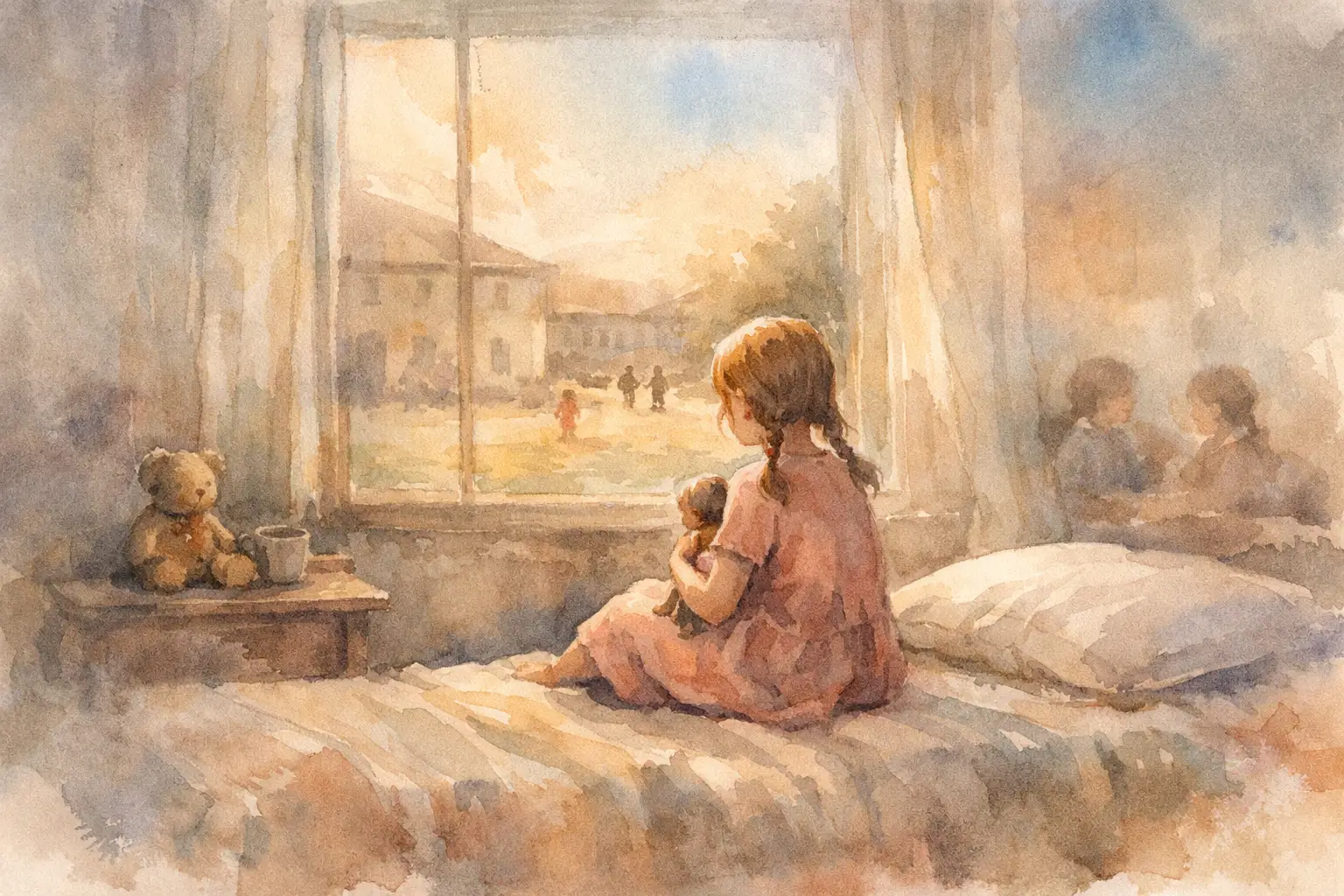
A child standing in line for a meal, holding a blanket that belongs to everyone and no one, learns early that survival can be quiet. There may be no single dramatic moment that explains the wound. Sometimes it is the absence of a name spoken tenderly, a birthday passing unnoticed, or the instinct to stop asking when no one answers. Moving stories of institutional childhood stay with us because they bring those quiet moments into the light.
They ask us to see more than an orphanage, a group home, or a childhood defined by rules and routines. They ask us to see the person inside the institution: the child who wanted to be chosen, the teenager who learned not to trust kindness too quickly, and the adult who carried forward a history that others may never fully understand.
Why Moving Stories of Institutional Childhood Matter
Stories of institutional childhood are not moving simply because they contain pain. Pain, by itself, can become distant when it is reduced to headlines, statistics, or a passing reference to a difficult upbringing. What makes a personal story matter is its humanity. We remember the child who found comfort in a small kindness, who protected a younger child, or who imagined a future beyond the walls around her.
Institutional settings can provide shelter, food, education, and needed structure. For some children, they may offer greater safety than the circumstances they left behind. That truth deserves respect. Yet safety is not the same as belonging. A bed can be assigned. A schedule can be followed. Neither can fully replace the deep assurance that a child is known, wanted, and held in someone’s heart.
This is why memoirs and true stories about abandonment and orphanage life can be so powerful. They restore individuality where systems often require children to be treated as a group. They make room for the details that documents leave out: a favorite song, a feared hallway, a friendship that became family, a moment of defiance that kept hope alive.
For readers who have known foster care, adoption, family separation, or childhood trauma, these stories can feel startlingly familiar. For readers whose lives took a different path, they can create a more compassionate understanding of what it costs a child to grow up without dependable love.
The Hidden Lessons Children Learn to Survive
Children are remarkably adaptive. In an institution, that adaptation may look like strength from the outside. A child learns to make herself small. She memorizes the rules. She watches adults closely, searching for changes in mood. She keeps her most treasured thoughts private because privacy itself may be rare.
Those habits can help a child survive the present. Later, they can make adulthood complicated. Accepting love may feel dangerous. Asking for help may bring shame. A person who had to become independent too soon may struggle to believe that she deserves support at all.
The most honest moving stories of institutional childhood do not turn resilience into a simple slogan. Resilience is not proof that harm did not matter. It is not a demand that survivors forgive quickly, heal neatly, or be grateful for what hurt them. Often, resilience is simply the decision to keep going when there was no clear reason to believe life would become gentler.
That is the courage at the heart of these stories. It may appear in a child who refuses to let cruelty define her. It may appear years later, when an adult begins to name what happened, seek truth about her past, or build the loving family she never had. Healing is rarely a straight line, and a survivor does not owe anyone a polished ending.
Beyond the Institution’s Walls
Leaving an institution does not mean leaving its impact behind. The physical place may be gone, but memories can remain in unexpected ways. A crowded room may bring back old anxiety. A missed phone call may feel like rejection. A holiday centered on family may reopen a grief that has never had an easy place to rest.
Still, the future is not owned by the past. Many survivors create lives filled with purpose, faith, friendship, parenthood, service, and hard-won peace. They become people who recognize loneliness in others because they have lived with it. They may offer tenderness with a depth that comes from knowing exactly what its absence feels like.
There is a meaningful difference between saying that suffering made someone stronger and honoring the strength they discovered while suffering. No child should have to endure abandonment to become compassionate. No one needs trauma to earn worth. But when a survivor chooses to move forward, that choice can become a testimony to the human spirit.
In Scarlet’s Journey, the emotional power of a memoir-based survival story comes from this truth: a painful beginning is not the whole story. Childhood experiences may shape a life, but they do not have the final word. The person who once felt forgotten can grow into someone who speaks, loves, creates, and makes room for others to feel seen.
How to Read These Stories With Compassion
Emotionally difficult memoirs deserve more than a quick reaction. It is easy to admire a survivor’s strength while overlooking the losses that made such strength necessary. A more compassionate reading begins by allowing the story to be complicated.
Do not look for a perfect victim or a perfect survivor. Real people can be brave and afraid, loving and guarded, hopeful and angry. They can long for family while carrying resentment toward the people who failed them. Those contradictions do not weaken a story. They make it true.
It also helps to resist the urge to search for easy lessons. Sometimes readers want a clear explanation for why terrible things happen or a tidy formula for recovery. But many stories of institutional childhood offer something more honest: the possibility that meaning can be made after pain, even when pain itself never made sense.
For book clubs, these memoirs can lead to conversations that are both tender and necessary. Instead of asking only, “How did she overcome it?” consider asking, “What did she need that she did not receive?” Ask what forms of love, safety, and recognition helped her continue. Ask how communities can better care for children who are still waiting to be seen.
Hope Is Not the Denial of What Happened
Hope can sound fragile when placed beside a childhood marked by abandonment. Yet real hope is not pretending the past was less painful than it was. It is the steady belief that a person can become more than what was done to them.
For some, hope begins with telling the truth. For others, it begins with a trusted friend, counseling, faith, a reunion, a creative pursuit, or the brave choice to set a boundary. It depends on the person, the history, and the support available. There is no single timetable for rebuilding a life.
The stories that remain with us are often the ones that refuse to look away. They honor the frightened child, the wounded adult, and the survivor still learning how to receive joy. They remind us that being abandoned does not mean being unworthy of love.
If a story of institutional childhood touches something tender in you, let that feeling become more than sadness. Let it deepen your patience with people whose defenses you cannot see. Let it make you gentler with your own history. And let it remind you that even after years of silence, a life can still be heard, cherished, and carried forward with hope.
 imunify-bot-check