A Guide to Childhood Abandonment Memoirs
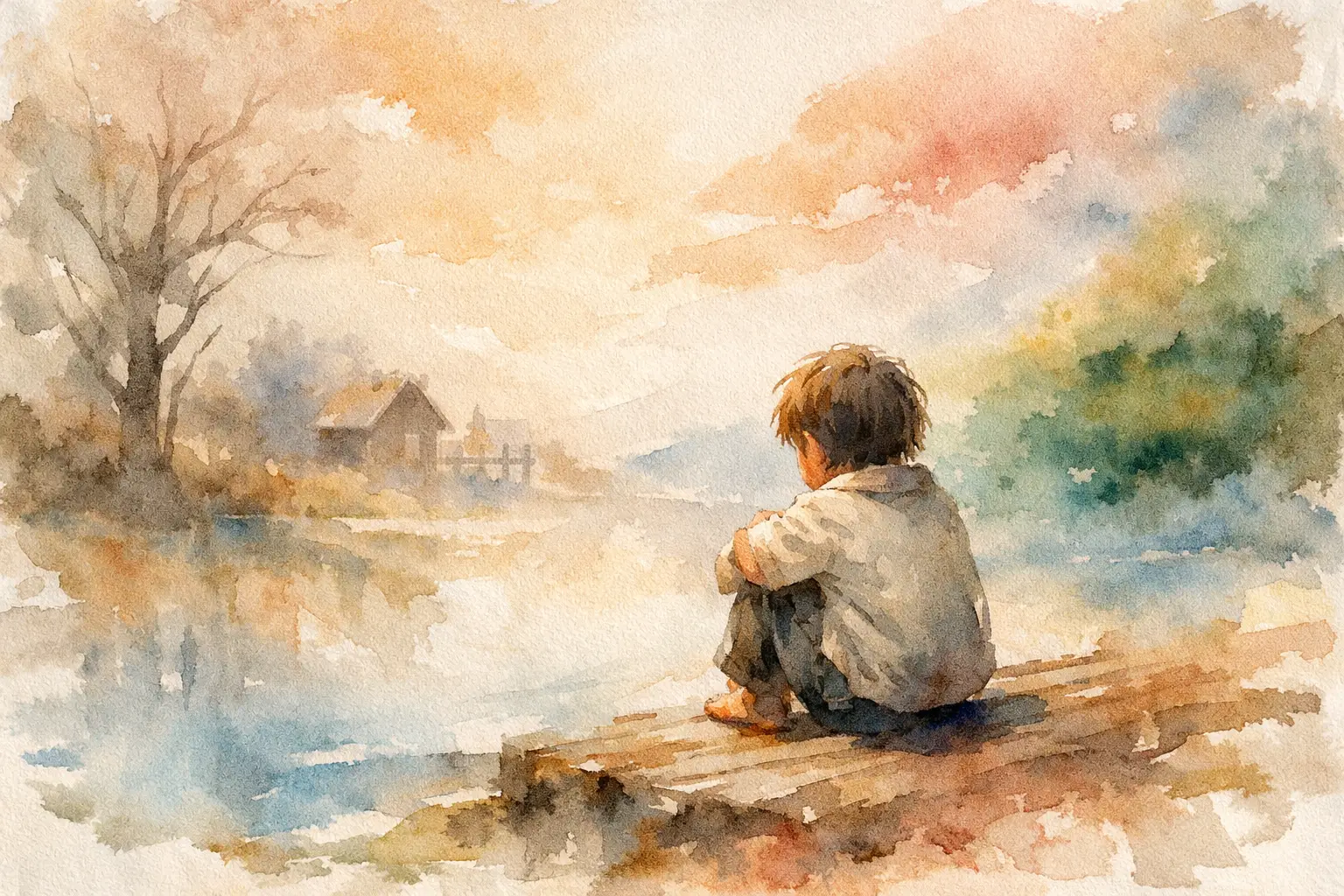
Some memoirs ask to be admired for their craft. Others ask to be felt. A guide to childhood abandonment memoirs belongs in the second category, because these books are rarely casual reading. They reach for the tender places many readers spend years trying to protect, and when they are written with honesty, they do more than tell a difficult story. They remind us that a wounded beginning does not have to define the whole life.
For readers drawn to true stories of loss, orphanhood, foster care, fractured families, and hard-won healing, this corner of memoir offers something rare. It carries heartbreak without pretending heartbreak is the end. The best books in this space hold pain and resilience in the same hands.
What makes childhood abandonment memoirs so powerful
Childhood abandonment memoirs stay with readers because abandonment is not only an event. It becomes a question a child carries into every room: Why was I left? Why wasn’t I enough? Who was supposed to protect me? When a writer returns to those questions with courage, the memoir becomes more than a record of suffering. It becomes a witness.
That is why these stories can feel so intimate. They often begin in confusion rather than clarity. A child does not always understand why a parent disappears, why a family breaks apart, or why an institution replaces a home. The emotional truth arrives first – fear, longing, shame, anger, hunger for love. Later, as the adult narrator looks back, meaning begins to take shape.
For many readers, that structure matters. It reflects real healing. We rarely understand trauma while we are living inside it. We understand it in fragments, then patterns, then language. Memoirs about abandonment can offer that language, especially to readers who have spent years trying to name what happened to them.
A guide to childhood abandonment memoirs for meaningful reading
Not every memoir about a hard childhood will meet a reader in the same way. Some are raw and immediate, written close to the wound. Others are quieter, shaped by time, reflection, and forgiveness. Neither approach is better. It depends on what you need.
If you want emotional honesty above all, look for memoirs that do not rush toward redemption. Hope feels truer when it is earned. A book that acknowledges bitterness, grief, confusion, and even emotional numbness often feels more trustworthy than one that ties everything into a neat lesson.
If you are reading for encouragement, it helps to find memoirs where survival grows into transformation. That does not mean the ending must be polished or painless. It means the writer shows what it took to keep going – one act of courage, one moment of kindness, one refusal to give up on life. Those details are often what readers remember most.
If you are choosing for a book club, pay attention to the memoir’s balance between darkness and reflection. Some books are so relentless in their suffering that they leave little room for conversation beyond shock. Others create space for deeper questions about identity, family, forgiveness, faith, resilience, and what healing can realistically look like.
What to look for in the best memoirs on abandonment
The strongest memoirs in this category usually share a few qualities, even when the life stories are very different.
First, they honor the child’s perspective. The reader should feel the loneliness, confusion, and ache of being left, but without exploitation. There is a difference between emotional truth and emotional manipulation. The best writers do not force tears. They tell the truth clearly enough that the feeling arrives on its own.
Second, they allow complexity. Parents who abandon are not always easy to categorize. Some are cruel. Some are broken. Some are absent because of addiction, poverty, mental illness, violence, or their own histories of trauma. Complexity does not excuse harm, but it does make a memoir more human. Readers often connect most deeply with stories that refuse simple villains and easy absolution.
Third, they show the long shadow of abandonment. A memoir is richer when it explores not only what happened in childhood, but what that loss did to trust, relationships, self-worth, and the search for belonging in adult life. Abandonment does not stay politely in the past. It follows people into love, motherhood, faith, ambition, and identity.
Finally, the most memorable memoirs carry some form of movement. Not perfection. Not a happy ending with all scars erased. Movement. A voice reclaimed. A truth spoken. A family history confronted. A life rebuilt. Readers come to these stories for honesty, but they stay for the evidence that broken beginnings do not cancel human worth.
Why these books matter to survivors and compassionate readers alike
For survivors, reading memoirs of abandonment can be both comforting and unsettling. There is relief in recognition. A page can suddenly say what your own heart has struggled to articulate for years. At the same time, these books can stir grief you thought had gone quiet. That tension is real, and it deserves respect.
Some readers pick up these memoirs because they have lived through abandonment themselves. Others come as witnesses – adoptive parents, foster families, partners, friends, counselors, or book club readers who want to understand wounds they have never personally carried. Both kinds of readers can be changed by these stories.
That change often begins with empathy. A good memoir does not reduce abandonment to a dramatic plot point. It reveals the daily cost. It shows what it means for a child to long for one safe person, one stable home, one moment of being chosen and kept. When readers truly feel that longing, compassion deepens.
And yet these books are not only about what was missing. They are also about what survived. A child may be abandoned, but still retain a fierce instinct toward hope. A young person may grow up in an orphanage or unstable home and still nurture tenderness, intelligence, humor, faith, or grit. That is part of what makes this genre so moving. It refuses to confuse injury with identity.
How to choose the right childhood abandonment memoir for you
If you are in a tender season, choose carefully. There is wisdom in knowing whether you need a memoir that stays close to pain or one that leans more fully into healing. A beautifully written book can still be the wrong book for this moment.
It also helps to think about what draws you in most. Some readers are captivated by family secrets and the search for origins. Others are drawn to orphanage stories, foster care experiences, adoption journeys, or accounts of emotional abandonment inside an intact-looking family. The phrase abandonment memoir can hold many different realities.
Tone matters too. Some memoirs are stark and unsparing. Others are warm, reflective, and quietly hopeful even when the material is devastating. If you are looking for a story that breaks your heart but also steadies it, seek books that make room for endurance, not just exposure.
Readers who love inspirational true stories often want something very specific. They do not want shallow positivity. They want proof that pain can be transformed without being denied. That is a worthy standard. The most meaningful books in this space understand that hope is not decorative. It is hard won.
For those searching for exactly that kind of reading experience, Scarlet’s Journey speaks to the ache of childhood abandonment through a deeply personal story of orphanage life, survival, and the strength to move forward. It stands in the tradition of memoirs that do not turn away from suffering, but also do not leave the reader there.
The lasting gift of a guide to childhood abandonment memoirs
A good guide to childhood abandonment memoirs is not really about making a reading list for its own sake. It is about helping readers find stories that tell the truth about what happens when love fails a child, and what can still rise from that failure.
These memoirs matter because they make invisible pain visible. They give shape to grief that is often dismissed, minimized, or misunderstood. They honor the child who waited, wondered, and endured. They also honor the adult who kept going.
If you are drawn to these books, trust that instinct. You may be looking for language, for recognition, for courage, or simply for a true story that carries both sorrow and light. Sometimes the right memoir does not fix anything at all. It just sits beside your pain long enough to remind you that survival is its own kind of testimony, and that even a life marked by abandonment can still become a life marked by meaning.
 imunify-bot-check