7 Family Estrangement Books That Stay With You
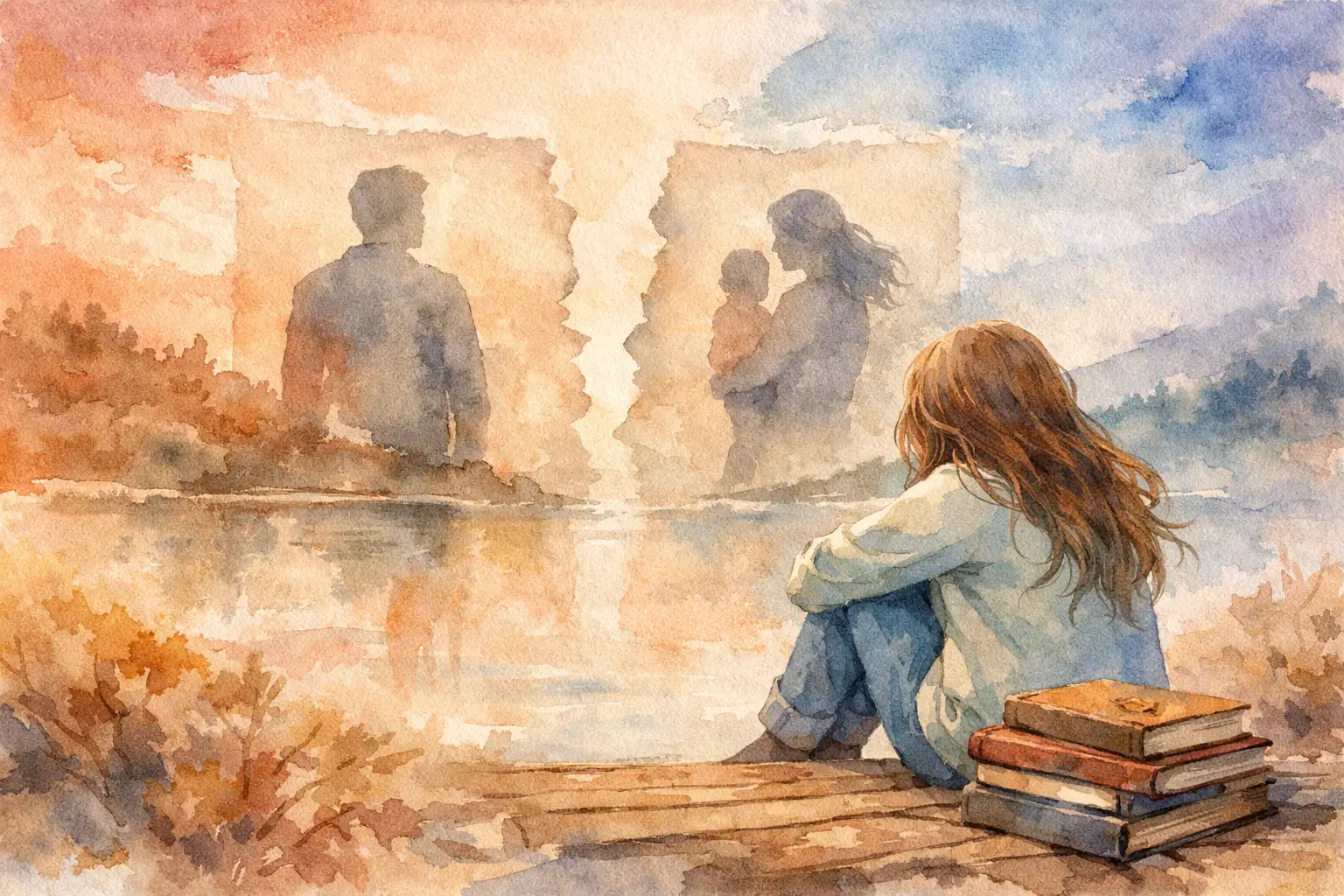
Some family silences are louder than arguments. A call goes unanswered. A holiday passes without a name spoken aloud. A child grows into adulthood still carrying questions no one ever answered. Family estrangement books give shape to that particular kind of grief: the grief of loving people who have hurt us, missing people who are still alive, and learning that moving forward may require a distance we never wanted.
For readers who have lived through abandonment, family conflict, foster care, addiction, or emotional neglect, these stories can feel painfully familiar. They do not offer easy answers, because estrangement is rarely simple. What they can offer is something deeply needed: the reminder that survival is not betrayal, and choosing peace does not erase the love, loss, or longing that came before it.
Family Estrangement Books That Tell the Truth
The most memorable books about fractured families do more than expose pain. They honor the complicated inner life of the person who endured it. Some are memoirs told in a survivor’s own voice. Others are novels that let readers approach difficult truths through another character’s life. Each of the books below holds space for hard emotions without asking readers to turn away from hope.
1. Educated by Tara Westover
Tara Westover’s memoir is a powerful account of growing up in an isolated, survivalist family in rural Idaho and eventually pursuing an education far beyond the world she knew. Her journey is not simply about school. It is about the agonizing cost of seeing one’s childhood clearly when the people closest to you insist that your memory, your needs, and your future do not matter.
What makes Educated so affecting is that Westover does not write from a place of simple anger. She shows the devotion she once felt, the confusion that kept her tied to harmful patterns, and the sorrow of recognizing that love cannot always make a relationship safe. Readers who have had to create distance from family in order to protect their own reality may find this memoir especially resonant.
2. I’m Glad My Mom Died by Jennette McCurdy
The title is startling, and it is meant to be. Jennette McCurdy’s memoir confronts a mother-daughter relationship shaped by control, emotional abuse, eating disorders, and a child’s desperate need for approval. With raw humor and devastating honesty, McCurdy describes what it took to become someone separate from the person who had defined nearly every part of her life.
This is not a gentle read, but it is an honest one. It gives permission to those whose grief does not look the way others expect. Sometimes the loss of a damaging relationship brings sorrow and relief at the same time. McCurdy’s story reminds readers that complicated feelings are still valid feelings.
3. The Distance Between Us by Reyna Grande
In this moving memoir, Reyna Grande recounts a childhood divided by borders, poverty, and parental absence. Her parents leave Mexico for the United States, and she and her siblings are left behind, waiting for the reunion that seems to promise everything. Yet reunion does not heal every wound. It introduces new disappointments, separations, and questions about where home truly is.
Grande writes with the tenderness of someone who understands how deeply a child can crave a parent’s love, even after being hurt. Her story is especially meaningful for readers who know the ache of abandonment and the lifelong desire to be chosen. It also reveals how family estrangement can be shaped by forces larger than one household, including immigration, economic hardship, and sacrifice.
4. The Glass Castle by Jeannette Walls
Jeannette Walls grew up with brilliant, unconventional, and profoundly unreliable parents. Her father could make his children believe in impossible dreams, then disappear into alcohol and rage. Her mother valued freedom so fiercely that she often abandoned the basic responsibilities of care. The result was a childhood filled with instability, hunger, humiliation, and fierce sibling loyalty.
The Glass Castle stays with readers because Walls holds the contradictions in full view. Her parents were not only cruel or only loving. They were charismatic, damaged, neglectful, and unforgettable. For anyone trying to understand why it can be so difficult to walk away from people who caused harm, this memoir offers a compassionate, clear-eyed portrait of attachment and endurance.
5. Somebody’s Daughter by Ashley C. Ford
Ashley C. Ford’s memoir begins with a young girl trying to understand her incarcerated father and the secrecy surrounding his absence. As she grows older, she begins to uncover truths that reshape how she sees him, her mother, and herself. The book is a story of family separation, racial identity, sexual trauma, and the difficult work of claiming a life beyond inherited pain.
Ford’s voice is intimate and searching. She does not pretend that understanding another person’s suffering makes what happened acceptable. Instead, she shows how a person can seek truth without surrendering her own boundaries. This is a meaningful choice for readers whose family history contains secrets, missing pieces, or relationships changed forever by what was left unsaid.
6. What My Bones Know by Stephanie Foo
Stephanie Foo’s memoir follows her attempt to understand complex post-traumatic stress disorder after a childhood marked by abuse and abandonment. Her search leads through therapy, science, family history, and the difficult question of what healing can realistically look like when trauma has shaped the body as well as the mind.
This book is particularly valuable because it does not make recovery sound tidy. Foo shares setbacks, anger, fear, and the exhausting effort of learning to live differently. Yet the book carries real hope. It suggests that healing is not becoming untouched by the past. It is building a life in which the past no longer has the final word.
7. The Dutch House by Ann Patchett
For readers who prefer fiction, Ann Patchett’s The Dutch House captures the long shadow of parental abandonment through the story of Danny and Maeve Conroy. After their father remarries, the siblings are pushed out of the grand home that once defined their childhood. Their shared loss binds them together, but it also keeps them circling the same old hurts for decades.
Patchett understands that estrangement is not always a clean break. Sometimes it is a life spent returning, in memory, to the moment a family changed. This novel explores the way siblings can become each other’s refuge, and how forgiveness may be less about excusing the past than about refusing to remain trapped inside it.
Choosing the Right Book for Where You Are
A book about family rupture can meet a reader differently depending on the season of life. If you are newly separated from a parent, sibling, or adult child, a memoir may feel too close at first. Fiction can offer a little breathing room while still naming the feelings beneath the surface. If you are trying to understand your own childhood, a survivor’s memoir may bring the recognition you have been missing.
It also helps to choose gently. Read a few pages before bed rather than beginning a difficult memoir when you are already overwhelmed. Keep a journal nearby. Talk with a trusted friend, counselor, faith leader, or support person if a story stirs memories that feel too heavy to carry alone. A book can be a companion, but it does not have to become another test of how much pain you can endure.
At Scarlet’s Journey, the belief is simple and hard-won: a painful beginning does not have to decide the meaning of a life. Stories of abandonment and estrangement matter because they let survivors be seen not as broken chapters in someone else’s family history, but as whole people with courage, voice, and a future.
You may never receive the apology, explanation, or reunion you once hoped for. But you are still allowed to make a home within yourself. Let the stories that speak to you be a small light on that road, proof that others have carried deep wounds and still found a way to keep going.
 imunify-bot-check