How Books Inspire Personal Transformation
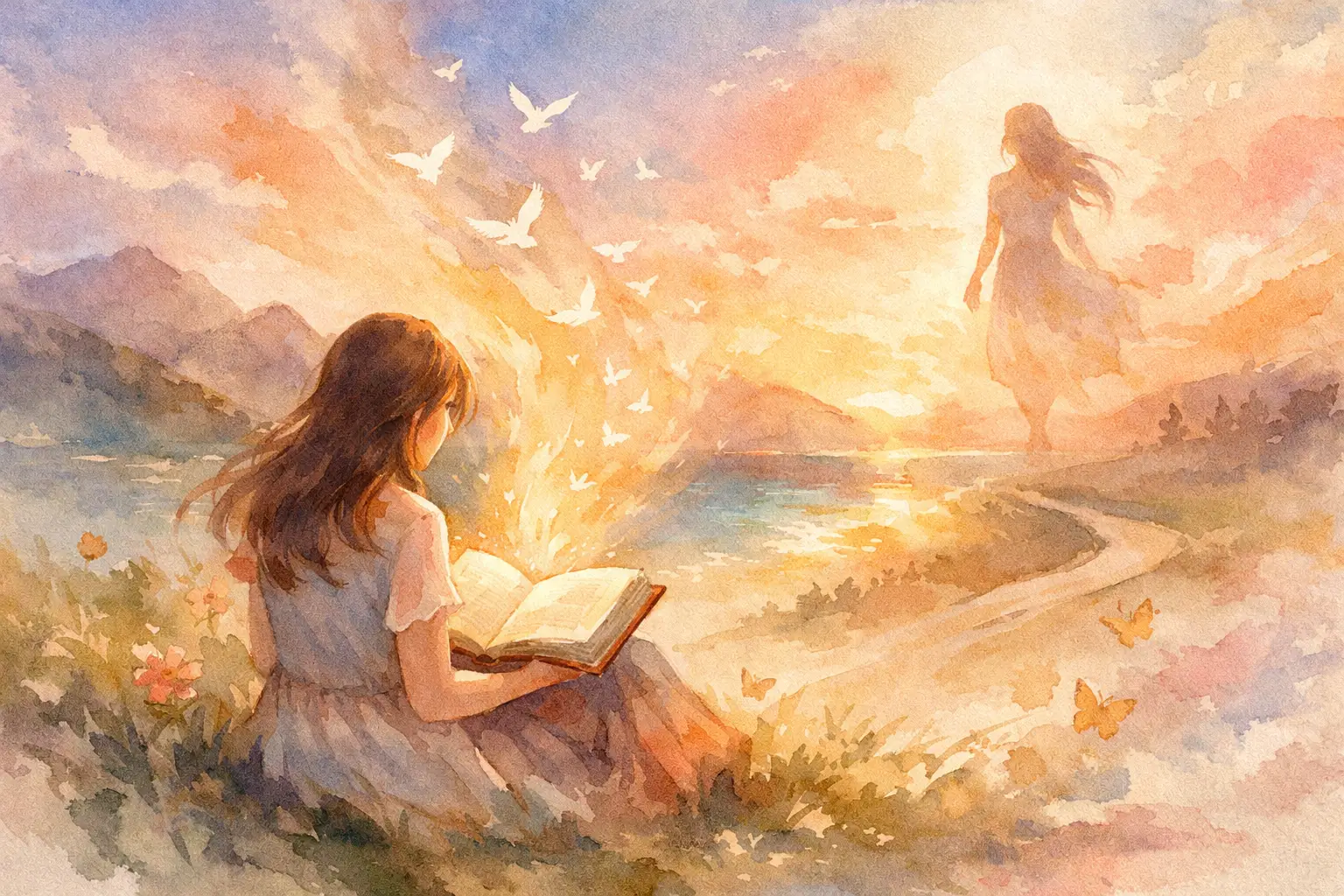
A book can meet someone in the quietest hour: after the children are asleep, in a waiting room, or at the edge of a hard decision. A few honest pages can make a reader feel less alone in a pain they have carried for years. That is how books inspire personal transformation – not by pretending suffering is simple, but by giving it language, witness, and the possibility of a different next chapter.
For readers who have known abandonment, family trauma, grief, or the long work of rebuilding self-worth, a meaningful story can feel like a hand reaching through the dark. It does not erase what happened. It can, however, help a person see that what happened is not the whole of who they are.
How Books Inspire Personal Transformation Through Recognition
The first change often begins with recognition. A reader encounters a woman who was left behind, a child who survived an institution, or a family forced to face what silence has hidden. Suddenly, private feelings have a shape. The reader may think, I have felt that too. I did not have words for it, but I know this place.
That recognition matters because isolation can make pain feel like a personal failure. People who experienced abandonment may spend years wondering why they were not enough to be chosen, protected, or loved well. A memoir cannot answer every question from the past, yet it can challenge the lie that a wounded child caused the wound.
When a survivor tells the truth with care, readers are invited to tell themselves the truth as well. They may begin to separate shame from identity. They may see that endurance is not weakness, that grief does not make them ungrateful, and that longing for love is deeply human.
This is especially powerful in memoir. Fiction can carry emotional truth beautifully, but a true story offers another kind of companionship. It says, in effect, someone lived through this. Someone remembers. Someone found a way to keep going.
A Story Gives Pain a Beginning, Middle, and Meaning
Trauma often feels scattered. Memories arrive out of order. A smell, a birthday, an unanswered phone call, or a familiar look can bring back feelings that seem larger than the moment itself. Books create a container for that experience. They place events in a sequence and show how one moment can echo into another.
This does not mean every story must end neatly. Real healing rarely does. A powerful book does not promise that forgiveness is easy, that family wounds disappear, or that faith removes every scar. It shows the cost of survival alongside the courage it takes to choose life again.
For a reader, following that arc can create room for reflection. What happened to me? What did I believe because of it? What beliefs are no longer serving me? These questions can be painful, but they can also be the beginning of freedom.
A story becomes transformative when it moves beyond tragedy without denying it. The strongest narratives hold both truths at once: terrible things happened, and a meaningful life is still possible. That balance is one reason memoirs of resilience stay with readers long after the final page.
The Courage to See Yourself Differently
Personal transformation is not always a dramatic decision. Sometimes it is a quiet shift in the way a person speaks to herself. A reader who once said, “I am broken,” may begin to say, “I was hurt.” Those sentences are not the same. The first turns pain into identity. The second makes room for healing.
Books can help readers imagine a self beyond the role they were assigned in their family. The forgotten child, the caretaker, the peacemaker, the one who was expected to stay silent – these roles can feel permanent when they have shaped a lifetime. But reading about someone who stepped beyond a painful beginning can make change feel less abstract.
That does not mean a book should pressure anyone to transform on a schedule. Some readers need a story simply to feel seen. Others may be ready to make a call, set a boundary, begin journaling, join a support group, return to prayer, or seek professional counseling. The right response depends on where a person is in their own journey.
A book is not a replacement for trauma-informed care, medical support, or trusted relationships when those are needed. Its gift is different. It can open the heart to the idea that support is deserved. It can give a reader the courage to take one small next step.
Why Stories of Survival Stay With Us
We remember stories because they allow us to feel, not merely understand. Facts can tell us that childhood abandonment affects confidence, relationships, and a sense of belonging. A survivor’s story lets us sit beside the child who waited, hoped, adapted, and kept a fragile spark alive.
That emotional closeness builds empathy. Sometimes the reader is healing her own wounds. Sometimes she is trying to understand a mother, spouse, sibling, friend, or adult child whose behavior has roots she cannot see. In either case, a well-told life story can soften judgment without excusing harm.
Stories of survival also restore dignity to experiences people are often encouraged to minimize. “That was a long time ago.” “At least you made it through.” “You should be over it by now.” These phrases can silence rather than comfort. A memoir gives suffering the seriousness it deserves while refusing to leave the survivor there.
At Scarlet’s Journey, the heart of that message is simple: a painful beginning does not have the authority to write the ending. For readers drawn to true accounts of loss, resilience, and moving forward, this kind of story offers more than inspiration. It offers evidence that strength can grow in places where hope once seemed impossible.
Reading Slowly Can Make the Difference
Transformation does not come from racing through a book and immediately becoming a new person. Often, the most meaningful passages are the ones that make a reader pause. A sentence may bring tears because it touches a memory. A chapter may stir anger because it names an injustice that has been ignored. Those reactions are not signs that the book has failed. They may be signs that something true has been reached.
It can help to read with gentleness. Put the book down when emotions feel too intense. Write a few thoughts in a journal. Talk with someone safe. Return when you are ready. There is no prize for reading a difficult story quickly, especially when it mirrors parts of your own life.
Book clubs can add another layer of healing when the group is respectful. Hearing others respond to a memoir reminds readers that every life is interpreted through a different history. One person may be moved by a moment of forgiveness; another may be struck by the courage it took to survive before forgiveness was even possible. Both responses can belong in the conversation.
From Inspiration to a More Honest Life
The lasting power of a book is not always found in a grand revelation. It may appear days later, when a reader chooses not to repeat a cruel message she once believed. It may appear when she tells her story for the first time, allows herself to grieve, or recognizes that asking for help is an act of courage.
Books inspire because they make room for complexity. They show that resilience is not a personality trait reserved for extraordinary people. It is often built in ordinary, difficult moments: getting up again, protecting a tender heart, choosing truth, and continuing to hope.
If a story leaves you feeling seen, do not rush past that feeling. Let it sit beside you for a while. The page may be finished, but your own next chapter is still waiting to be written.
