True Story Books vs Fiction: Which Stays With You?
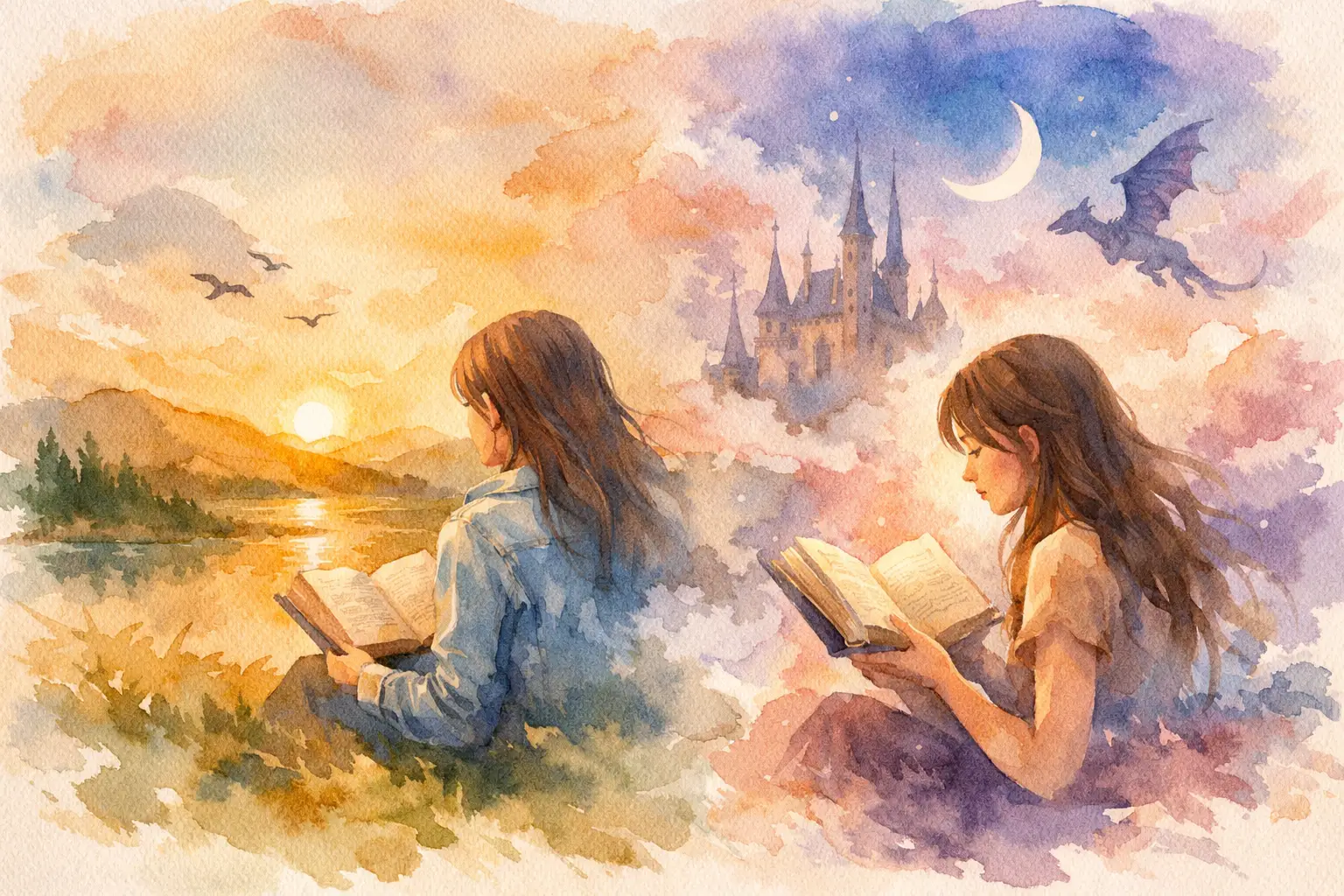
A child standing at the edge of an orphanage doorway does not know she is about to become part of someone else’s reading life. She only knows the ache of being left behind, the uncertainty of tomorrow, and the small, stubborn hope that refuses to disappear. That is where the difference between true story books vs fiction becomes deeply felt: one kind of story may be imagined, but the other was endured by a real human heart.
Both can move us. Both can make us cry, question, and heal. Yet a true story carries a particular weight because its pain was not created for a plot. Its losses happened. Its survival required courage when no reader was there to turn the page.
True Story Books vs Fiction: The Emotional Difference
Fiction gives authors extraordinary freedom. A novelist can shape every moment, build suspense with precision, and create characters who say exactly what the story needs them to say. A fictional ending can bring justice, reconciliation, or peace in a way real life sometimes cannot.
But true story books ask something different of us. They invite us to witness rather than simply observe. When a memoirist describes abandonment, poverty, family trauma, or life inside an orphanage, the reader understands that these are not obstacles placed on a page to make a story more interesting. They are memories someone had to carry.
That knowledge changes the experience. A hard chapter can feel more painful because it represents a life that could not be paused or rewritten. At the same time, every act of endurance becomes more meaningful. The person who found the strength to keep going was not protected by a script. She kept going because she had to.
This is why readers often finish a powerful memoir with a lingering sense of closeness to the author. The story may be over, but the person behind it remains real. Her younger self still existed. Her fears were real. Her growth was earned.
Fiction Can Tell Emotional Truth, Too
Choosing a true story does not mean fiction is somehow less valuable. Some readers find comfort in fiction precisely because it creates a little distance from their own pain. A novel can explore grief, family separation, addiction, faith, or forgiveness without requiring the reader to confront the fact that every scene happened to a specific person.
Fiction also helps readers enter lives and circumstances far from their own. A gifted novelist can reveal the loneliness of a neglected child, the courage of a mother, or the complicated pull of family with honesty and tenderness. Sometimes a made-up character gives language to a feeling the reader has never been able to name.
The difference is not that fiction is false and memoir is automatically more profound. The difference is in the promise each form makes. Fiction says, “Let me show you what might be true.” A memoir says, “This was true for me.”
For readers who have lived through abandonment, foster care, adoption, loss, or difficult family relationships, that second promise can feel like being seen. It can be a quiet reminder that their story, too, deserves to be believed.
Why Real-Life Survival Stories Stay With Readers
True stories often remain in the heart because they offer proof. Not proof that pain always ends neatly, or that every wound is fully healed. Real life rarely offers such simple answers. Instead, they offer proof that a person can survive moments that once seemed unbearable.
A memoir about childhood hardship may not erase a reader’s own sorrow. It may even bring difficult emotions to the surface. But when the story is told with honesty, it can also make room for hope. The reader sees that a wounded child can grow into an adult with a voice, a purpose, and a future beyond what was done to her.
That is especially powerful when the story does not hide the messiness of healing. Forgiveness may take years. Trust may be fragile. Family may remain complicated. A meaningful true story does not need to pretend that resilience means never hurting again. It shows resilience as the decision to keep moving forward, even while carrying scars.
Stories like Scarlet’s Journey speak to this kind of courage. They remind readers that a painful beginning does not have to become the final definition of a life. There can be grief and gratitude in the same story. There can be heartbreak and strength in the same person.
The Responsibility of Reading Someone’s Truth
When reading memoir, it helps to remember that truth is not always presented like a court transcript. Memory is personal. Conversations may be reconstructed. Names, timelines, and small details may be changed to protect privacy or make a complex life understandable on the page.
That does not make the emotional truth less real. In many memoirs, the deepest truth is not whether every word of dialogue occurred exactly as written. It is what the author experienced: the fear of being unwanted, the loneliness of not belonging, the relief of kindness, or the long work of learning to feel worthy of love.
Readers can approach true stories with both compassion and discernment. A memoir is one person’s account of her life, shaped by the memories she can access and the courage she has gathered to share them. It is not required to represent every person involved in the same way. It is required to be honest about the author’s lived experience.
That honesty is often what makes a memoir so intimate. The author is not only telling us what happened. She is allowing us into the meaning she made from it.
Which Should You Read When You Need Hope?
It depends on the kind of reading experience you need.
If you want to step outside your own life for a while, fiction can offer a welcome refuge. You can lose yourself in a world shaped by imagination, suspense, romance, or adventure. A novel may provide emotional release without asking you to carry the full knowledge that its darkest moments happened to someone real.
If you are searching for encouragement rooted in lived experience, a true story may meet you more directly. It can feel like sitting across from someone who has known despair and is gently telling you, “You are not alone. I did not know how I would survive either.”
For book clubs, true stories can create especially meaningful conversations. Readers may discuss not only the events of the book, but also the larger questions it raises: What does it mean to belong? How do children survive emotional neglect? Can a person forgive without excusing what happened? What helps someone turn pain into purpose?
There is no need to choose one form forever. Many devoted readers move between memoir and fiction depending on the season of life they are in. The better question is not which form is superior. It is which story is calling to you now.
A Story’s Power Is Measured by What It Awakens
The most memorable books do more than entertain. They awaken empathy. They make us recognize suffering we might otherwise overlook. They remind us that behind the words “orphan,” “abandoned,” or “broken family” is a person who wanted safety, affection, and a chance to be seen.
Fiction can awaken that awareness through imagination. True stories can awaken it through testimony. Both have a place on the shelf and in the human heart.
Still, there is a rare kind of courage in a survivor who chooses to tell her story. To place the most painful chapters of her life into words is not an easy act. It is an offering made in the hope that another person, perhaps someone sitting alone with an old wound, will find strength in knowing that survival is possible.
When you choose a true story, you are choosing to listen. And sometimes listening to someone who found her way through the darkness can help you believe there is still a path ahead for you, too.
