12 Best True Story Books That Stay With You
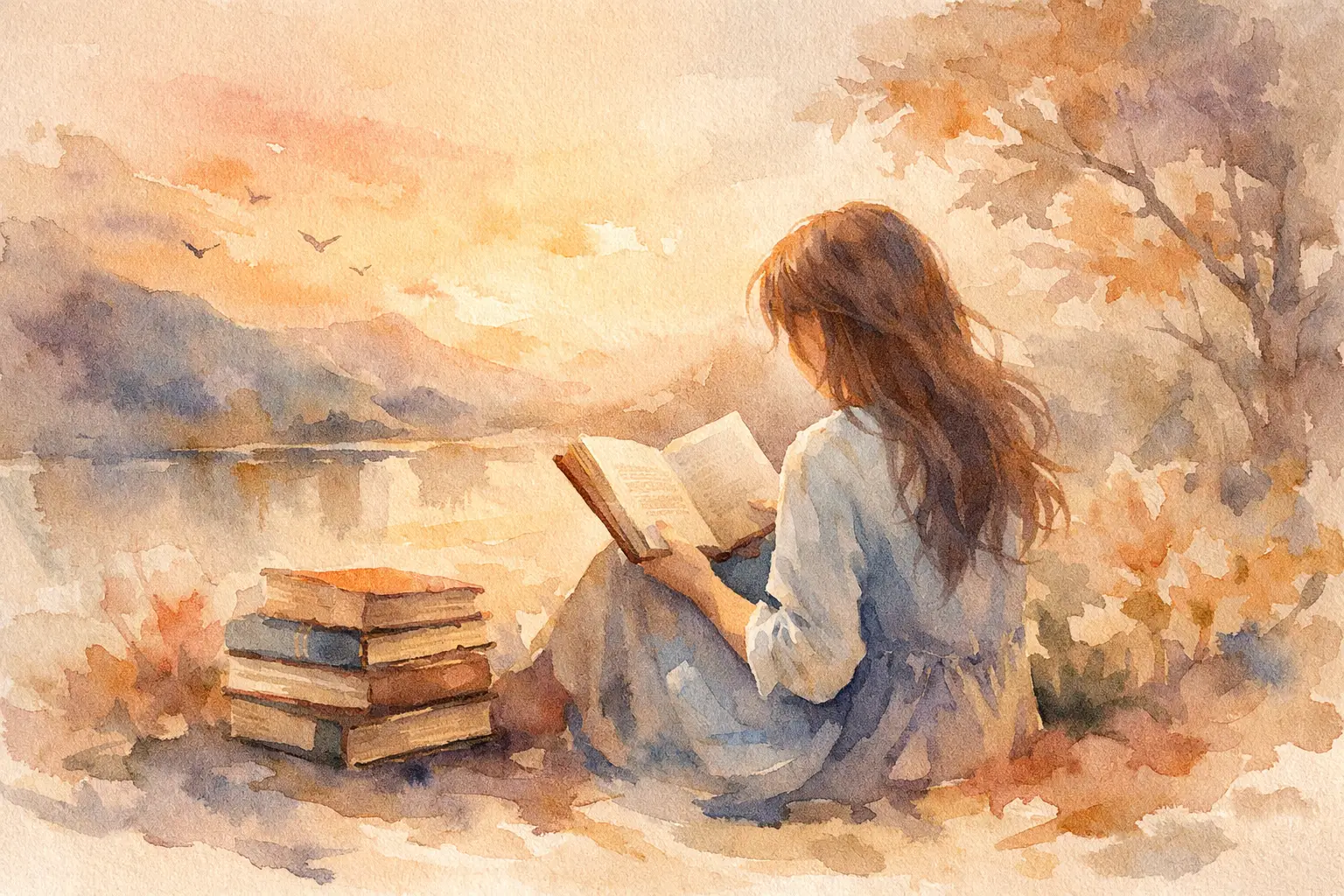
Some books entertain us for a few quiet hours. Others leave us sitting with the final page in our hands, thinking about the life that was lived before it ever became a story. The best true story books do more than recount extraordinary events. They bring us close to a real person’s fear, faith, mistakes, losses, and determination to keep going.
For readers drawn to memoirs of hardship and healing, a true story can feel like companionship. It reminds us that pain is not always visible, that survival is rarely simple, and that a life marked by abandonment, grief, or injustice can still hold love and purpose. The books below are not easy in every moment. That is part of what makes them unforgettable.
What Makes the Best True Story Books So Powerful?
A meaningful true story does not need a perfectly polished life. In fact, the most moving memoirs often make room for uncertainty. They allow the reader to see the contradictions: a person can be wounded and brave, angry and loving, lost and still moving forward.
The strongest books in this category also respect the weight of what happened. They do not turn suffering into a neat lesson or promise that every broken relationship will be repaired. Instead, they show how people find a way to live with what cannot be changed. For many readers, that honesty is where hope begins.
12 True Stories of Survival, Courage, and Change
1. The Glass Castle by Jeannette Walls
Jeannette Walls tells the story of growing up with deeply unconventional, unreliable parents and a childhood shaped by poverty, instability, and fierce loyalty. Her father is charismatic and brilliant, but also consumed by alcoholism. Her mother values freedom so intensely that her children are often left to fend for themselves.
What makes this memoir endure is Walls’s refusal to flatten her family into villains or heroes. She writes with clear-eyed compassion about the damage they caused and the love that existed alongside it. It is a powerful choice for readers interested in family trauma and the complicated path toward self-definition.
2. Educated by Tara Westover
Raised in a survivalist family in rural Idaho, Tara Westover grew up without formal schooling and with limited access to medical care or the wider world. Her decision to pursue education changes the direction of her life, but it also creates a painful distance between her and the people she loves.
Educated is not simply a story about academic achievement. It is about learning to trust your own mind when the people closest to you have taught you to doubt it. Readers who have had to question inherited beliefs, family narratives, or the limits placed on them may find it especially resonant.
3. The Hiding Place by Corrie ten Boom
Corrie ten Boom’s memoir recounts her family’s efforts to shelter Jewish people during the Nazi occupation of the Netherlands, followed by imprisonment in a concentration camp. The book contains profound suffering, including the loss of loved ones, yet it remains rooted in faith and moral courage.
This is a deeply spiritual story, though its impact reaches beyond any single religious tradition. Ten Boom asks difficult questions about forgiveness, cruelty, and what it means to hold onto compassion when circumstances seem designed to destroy it.
4. When Breath Becomes Air by Paul Kalanithi
Paul Kalanithi was a neurosurgeon in training when he was diagnosed with terminal lung cancer. In this luminous memoir, he reflects on medicine, mortality, marriage, and the question of what makes a life meaningful when time becomes painfully limited.
The book is brief, but its emotional reach is immense. It may be difficult for readers navigating illness or recent loss, yet it offers a tender perspective on love and purpose. Kalanithi does not offer easy answers. He offers the courage to remain present.
5. I Know Why the Caged Bird Sings by Maya Angelou
Maya Angelou’s celebrated memoir follows her early years in the segregated American South, her experience of sexual abuse, and her gradual return to voice and self-worth. Her writing is beautiful without softening the reality of what she endured.
This book matters because it shows that silence can be imposed, but it does not have to be permanent. Angelou’s journey from trauma toward expression has comforted generations of readers who know what it means to carry pain that others do not see.
6. The Diary of a Young Girl by Anne Frank
Anne Frank’s diary is one of the most widely read accounts of the Holocaust, but its power remains intensely personal. She writes about fear and confinement, certainly, but also friendships, family tensions, dreams, and the ordinary longings of a young girl forced into hiding.
Knowing the fate that awaits Anne and her family makes the reading experience heartbreaking. Yet her voice is full of intelligence and life. The diary reminds us that history is not only made of dates and events. It is made of individual lives, each one irreplaceable.
7. A Long Way Gone by Ishmael Beah
Ishmael Beah recounts being forced into the civil war in Sierra Leone as a child soldier. His memoir describes the terror of violence and displacement, as well as the difficult process of rehabilitation after he is removed from the conflict.
This is a challenging book, and it should be approached with care. But Beah’s story is also a testament to the possibility of recovery. He does not deny the harm done to him or pretend that healing erases memory. He shows that even a child shaped by war can reclaim a future.
8. Wild by Cheryl Strayed
After the death of her mother and the collapse of her marriage, Cheryl Strayed hikes the Pacific Crest Trail alone. She begins with little experience and more grief than she knows how to carry.
Wild is a story of physical endurance, but the trail is never just a trail. It becomes a place where Strayed confronts regret, addiction, sorrow, and the choices that have brought her to a breaking point. Readers who need a reminder that healing can begin before we feel ready may find much to hold onto here.
9. The Sun Does Shine by Anthony Ray Hinton
Anthony Ray Hinton spent nearly 30 years on Alabama’s death row for crimes he did not commit. His memoir reveals the devastating failures of the justice system, but it also centers his inner life: his humor, friendships, imagination, and determination not to let wrongful imprisonment take his humanity.
Hinton’s strength is not presented as a simple triumph over injustice. The cost of what was taken from him is real. That honesty makes his capacity for forgiveness and joy all the more remarkable.
10. Know My Name by Chanel Miller
Chanel Miller’s memoir reclaims the identity and voice that were too often erased after she survived a sexual assault. With remarkable clarity, she writes about trauma, legal proceedings, public scrutiny, and the slow work of becoming whole in a culture that frequently questions survivors.
This is an essential read, but not a light one. Miller writes with anger, tenderness, and courage, refusing to make herself small for anyone’s comfort. Her story can be particularly meaningful for readers who want to better understand survival beyond the moment of violence.
11. The Distance Between Us by Reyna Grande
Reyna Grande shares her childhood in Mexico and her eventual reunion with her parents after they immigrate to the United States. The memoir explores separation, poverty, immigration, and the lasting ache of a child who wonders why the people she loves have gone away.
Grande captures the emotional complexity of family separation with deep sensitivity. There is no simple judgment here, only the lasting truth that children experience absence in ways adults may not fully understand.
12. Scarlet’s Journey by Scarlet
For readers seeking a deeply personal story of childhood abandonment, orphanage life, and the strength to move forward, Scarlet’s Journey offers an intimate account of survival. Its emotional center is not only what was lost, but what can be built afterward: identity, courage, and a life that refuses to be defined solely by early pain.
Stories like this matter because they give language to experiences that are often hidden. They remind readers who have felt unwanted, forgotten, or alone that their beginning does not get the final word.
Choosing a True Story That Meets You Where You Are
The right memoir depends on what your heart can carry at the moment. If you are looking for faith amid unimaginable suffering, The Hiding Place may speak to you. If family wounds feel close to home, The Glass Castle, Educated, and The Distance Between Us offer different but equally honest perspectives. If you are seeking stories of reclaiming a voice after trauma, Maya Angelou and Chanel Miller write with extraordinary strength.
There is no prize for choosing the hardest book on the shelf. Some seasons call for a story that names pain directly. Other seasons call for a narrative that leaves more room for renewal. You can put a book down, return later, or choose the one that feels less overwhelming. Reading with care for yourself is part of the journey too.
A true story cannot undo what happened to its author. But when it is told with honesty, it can create a bridge between one life and another. Somewhere inside these pages, a reader may recognize their own grief, their own endurance, or the small, persistent hope that has kept them going. Sometimes that recognition is enough to help a person take the next step.
