10 Books About Surviving Abandonment
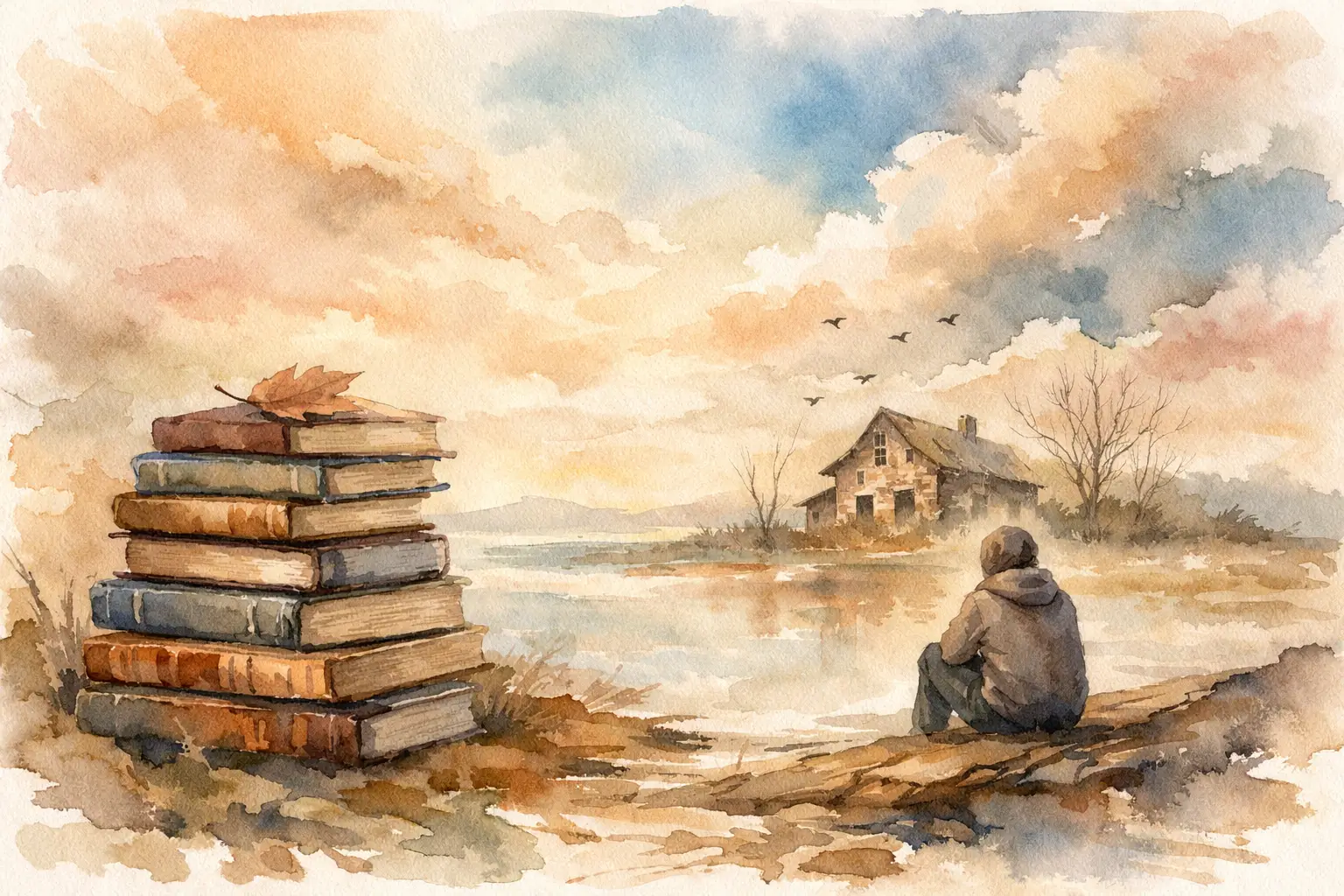
Some wounds do not announce themselves loudly. They show up in quiet places – in the fear of being left, in the ache of not feeling chosen, in the lifelong question of why love disappeared. That is why books about surviving abandonment matter so deeply. They do more than tell painful stories. At their best, they put language around grief that many people have carried for years without knowing how to name.
For readers drawn to memoir, survival stories, and emotionally honest journeys, abandonment is not a small theme. It is often the fracture line that shapes everything that follows – identity, trust, belonging, self-worth, and the long work of healing. The right book does not erase that pain, but it can make a reader feel less alone inside it.
Why books about surviving abandonment stay with readers
Abandonment cuts across many kinds of loss. It may begin in childhood through orphanhood, foster care, adoption, neglect, or a parent who was physically present but emotionally absent. It may arrive later through divorce, betrayal, estrangement, or a family silence so deep it feels like exile. Because of that, stories about abandonment are rarely only about being left. They are about what a person builds after the leaving.
That is what gives these books their power. They show survival not as a neat victory, but as a daily act of endurance. Some writers tell their stories with raw directness. Others circle the pain more quietly, revealing it through memory, relationships, and the search for home. Both approaches can be healing. It depends on what a reader needs – recognition, comfort, courage, or simply the relief of seeing someone else survive what once felt unbearable.
10 books about surviving abandonment worth reading
The Glass Castle by Jeannette Walls
Jeannette Walls writes with startling clarity about a childhood shaped by neglect, instability, and parents who could not provide safety. What makes this memoir unforgettable is its refusal to flatten love into something simple. Her parents are deeply flawed, often damaging, and yet vividly human. For readers who understand the confusion of loving those who failed them, this book hits hard.
It is not a soft read, but it is a deeply compassionate one. It captures how children learn to survive in chaos and how adulthood becomes a place where truth finally has room to breathe.
Educated by Tara Westover
This memoir is often discussed as a story about education, but it is also a story about emotional abandonment and the cost of breaking away from family systems that deny your reality. Tara Westover writes about isolation, loyalty, fear, and the pain of becoming your own person when belonging has always come at a price.
For readers who know what it means to grieve the family they needed but never had, this book carries a sharp kind of recognition. Its strength lies in showing that survival sometimes means leaving the people who taught you what love was supposed to be.
Orphan Train by Christina Baker Kline
This novel moves between generations, linking a young girl aging out of foster care with an older woman whose childhood was marked by the orphan trains of the early twentieth century. While fictional, it speaks directly to the emotional truth of displacement, rejection, and the longing to be claimed.
It is especially moving for readers interested in adoption, orphanhood, and the hidden histories children carry into adulthood. The book is accessible, heartfelt, and anchored in the idea that connection can still emerge after profound early loss.
The Language of Flowers by Vanessa Diffenbaugh
Victoria, the novel’s central character, has grown up in foster care and carries the bruises of abandonment into every adult relationship. She struggles to trust, to attach, and to believe she is worthy of care. The novel uses the language of flowers as a way to express what Victoria cannot easily say aloud.
This is one of those books that understands how childhood abandonment can echo long after the original separation. It also understands that healing is uneven. Some readers will be drawn to its tenderness. Others may connect with its portrayal of self-protection and fear.
White Oleander by Janet Fitch
Janet Fitch’s novel is fierce, lyrical, and painful. It follows Astrid through a series of foster homes after her mother is imprisoned, tracing how abandonment and instability shape her view of herself and the world. This is not a comforting book in the traditional sense, but it is emotionally exacting.
Readers who appreciate literary fiction with high emotional stakes may find this one unforgettable. It does not offer easy redemption, which may be a drawback for some, but its honesty about damage and identity is part of what makes it powerful.
A Child Called It by Dave Pelzer
This memoir has been read by many people searching for stories of survival after severe childhood abuse and abandonment. Dave Pelzer’s account is stark and difficult, centered on a child who was not protected by the people meant to care for him.
This book can be too intense for some readers, and that is worth saying plainly. But for others, its directness is exactly what makes it meaningful. It bears witness to pain that many survivors were once told to hide.
Before We Were Yours by Lisa Wingate
Inspired by a real-life adoption scandal, this novel explores the trauma of children taken from their family and the lifelong ache of separation. It blends historical fiction with a deeply personal sense of loss, identity, and longing.
For readers interested in family fracture, stolen belonging, and the question of what survives after children are uprooted, this book resonates. Its emotional pull comes from the way it honors both suffering and endurance.
The Sound of Gravel by Ruth Wariner
Ruth Wariner’s memoir tells the story of growing up in poverty and neglect within a polygamist family structure, where children were often left unprotected and unseen. Her voice is steady, clear, and devastating in its restraint.
This book is less about dramatic declarations and more about the accumulation of hurt. That makes it especially affecting. It shows how abandonment can live inside a home just as easily as outside one.
Scarred by Sarah Edmondson
While not a childhood abandonment memoir in the traditional sense, this book explores what happens when trust is manipulated, belonging is weaponized, and a person’s need for connection is used against her. Sarah Edmondson’s story about surviving coercion and reclaiming her life speaks to readers who understand emotional betrayal.
It broadens the conversation in a useful way. Not every abandonment wound begins with a parent. Sometimes it begins with the desperate hope of finally being accepted.
Memoirs of survival that feel deeply personal
Sometimes the books that stay with us most are the ones written from the inside out – stories shaped by real memory, family fracture, and the choice to keep going anyway. For readers seeking books about surviving abandonment that feel intimate rather than distant, memoir often offers the deepest connection.
That is part of why stories rooted in lived experience matter so much. They do not simply describe pain. They carry the weight of someone who has walked through it and found words on the other side. For readers who want a true story of childhood abandonment, orphanage life, resilience, and transformation, Scarlet’s Journey belongs in that conversation.
How to choose books about surviving abandonment that meet you where you are
Not every reader needs the same kind of book. Some want the full intensity of a survivor telling the truth without softening it. Others need a gentler path in – a novel with emotional distance, a redemptive arc, or a story where hope arrives more visibly. Neither choice is wrong.
It also helps to know your own threshold. If you are reading from a place of fresh grief, a brutal memoir may overwhelm more than it heals. If you are further along in your journey, you may want a book that names the hardest realities directly. The trade-off is often between emotional protection and emotional recognition.
There is also the question of what kind of ending you need. Some books offer reconciliation. Some offer freedom without reunion. Some offer neither, only the truth that a life can still be meaningful after deep loss. For many readers, that last kind of hope is the most honest.
What these stories give back
The best books in this space do not pretend survival is graceful. They know healing can be messy, nonlinear, and lonely. They know that abandonment leaves marks long after the original event is over. But they also know something else – human beings are more than what was done to them.
That is the quiet gift these stories offer. They remind readers that being left is not the end of the story. A person can be unwanted by those who should have loved them and still build a life marked by courage, tenderness, and meaning. A child can come from heartbreak and still grow into someone whole.
If you are reaching for books about surviving abandonment, you may be looking for more than a reading list. You may be looking for proof that pain can be carried without having the final word. Sometimes a book cannot answer every question. But it can sit beside you in the dark long enough for hope to feel possible again.
 imunify-bot-check